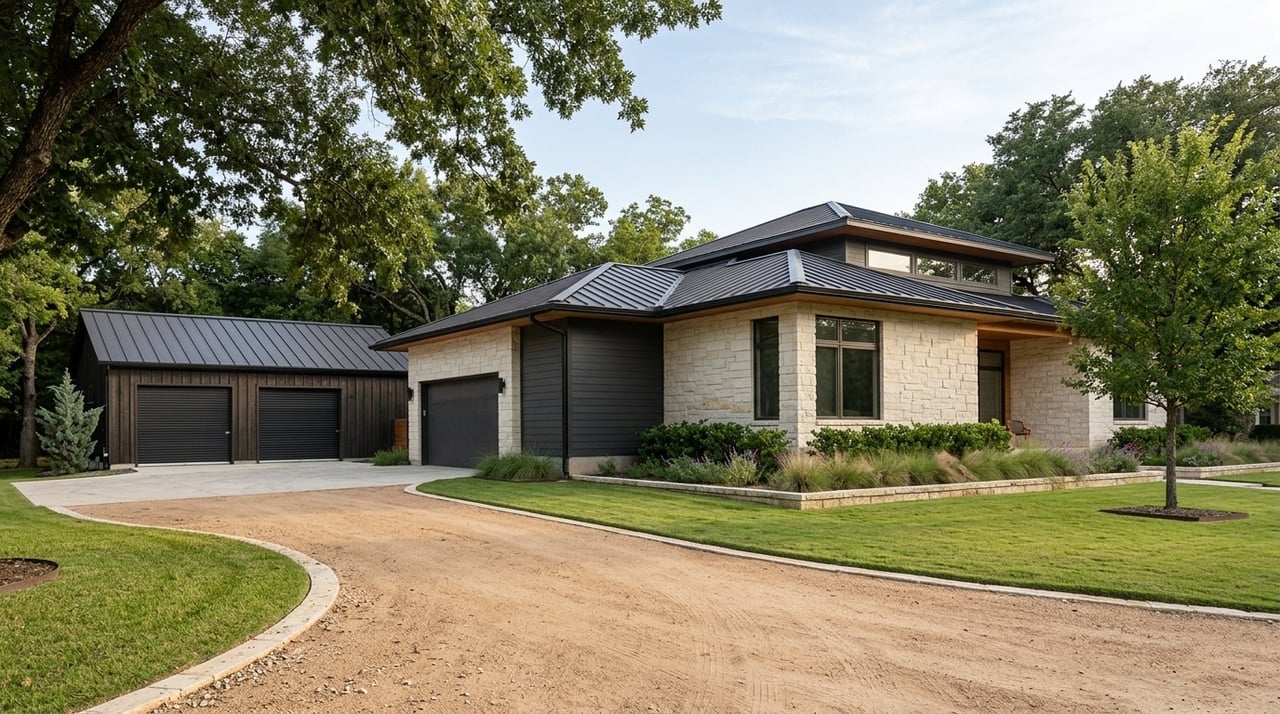
Looking for more room without giving up access to Dallas? Sunnyvale stands out for buyers who want elbow room, privacy, and a more rural feel while staying within the Dallas metro area. If you are considering acreage living here, it helps to understand how lot sizes, zoning, utilities, and property rules shape daily life. Let’s dive in.
Why Sunnyvale Appeals to Acreage Buyers
Sunnyvale sits about 15 miles east of downtown Dallas in eastern Dallas County. The town covers about 16.5 square miles and had an estimated population of about 9,400 in 2024, which helps explain why it can feel less crowded than many nearby suburbs.
That lower-density feel is not accidental. Sunnyvale’s planning approach balances rural character with proximity to the Dallas job market. For you, that can mean more space and a quieter setting without moving far outside the metro.
Acreage Living Is Not One-Size-Fits-All
One of the biggest things to know is that Sunnyvale is not a single large-lot market. You will find a mix of estate-style tracts, one-acre properties, and more traditional suburban lot patterns.
That means the exact parcel matters. The town’s zoning and any planned development standards can affect what you can build, how the lot functions, and how much privacy you can realistically create.
Key Lot Size Rules in Sunnyvale
Sunnyvale’s residential zoning ladder gives a clear picture of how lot sizes vary:
- SF-1 requires a minimum of 2 acres
- SF-2 requires a minimum of 1 acre
- SF-3 also requires a minimum of 1 acre
- SF-4 requires a minimum of 24,000 square feet
- SF-5 requires a minimum of 7,000 square feet
For buyers focused on acreage, SF-1 and SF-2 often draw the most attention because they align more closely with rural-residential living. The town also states that only one main single-family building may be located on a lot, which is an important detail if you are imagining multiple primary homes on one parcel.
What Space and Privacy Can Really Look Like
Acreage living often sounds simple: bigger lot, more privacy. In practice, privacy in Sunnyvale depends on lot size, placement of structures, fencing rules, and what surrounds the property.
Larger tracts can offer a more tucked-away feel, especially when the home is set back from the road. Still, privacy is shaped by local standards, so it is smart to look beyond lot size alone.
Fence Rules Matter
Sunnyvale allows an estate fence as a perimeter fence for platted residential lots of 4 acres or more. Smaller lots may request an exception, depending on factors like lot size, location, and how close they are to existing estate lots and fencing.
There is also an important visibility rule at the street. Front-yard fences must be 50 percent through-vision, which means solid screening is usually more practical in side-yard and rear-yard areas than in the front.
Workshops, Barns, and Extra Buildings
For many buyers, the appeal of acreage is not just the land. It is also the flexibility to add a workshop, oversized garage, storage building, or other secondary structure.
Sunnyvale does allow accessory buildings, but the rules are specific. This is one area where due diligence can make a big difference before you buy.
Accessory Building Basics
Sunnyvale requires permits for accessory buildings over 120 square feet. Detached accessory buildings must stay in the rear yard, and they cannot be leased or rented.
The allowed number of accessory buildings and the total floor area depend on lot size. For example, tracts from 5 to 10 acres may allow up to 5 accessory buildings with up to 4,500 square feet combined, while tracts over 10 acres are capped at 5 accessory buildings and no more than 3 percent of the lot or tract.
The town also prohibits shipping containers from being used as storage buildings or living units. So if you are picturing a highly customized setup, make sure the property and your plans line up with code requirements.
Multi-Generational Living Options
If you want a property that can support family living nearby, Sunnyvale does allow accessory dwelling units in some cases. This can be a meaningful option for buyers thinking ahead about aging parents, adult children, or caregiver housing.
Still, the rules are narrower than many people expect. You will want to verify whether the parcel qualifies before making plans around a second living space.
Accessory Dwelling Unit Rules
An accessory dwelling unit must be on a lot of at least 2 acres. It must be located to the rear of and separate from the main home, and it must be built of the same material as the principal structure.
There are also occupancy limits. The unit may be occupied only by family members or caretakers, and it cannot be sold separately or leased or sublet separately from the main property.
Can You Keep Chickens or Horses?
For buyers interested in a hobby-farm feel, Sunnyvale is more specific than many towns. The local animal-control code outlines what may be allowed and under what conditions.
That is helpful because it gives you a clearer framework. It also means you should not assume every acreage property supports the same animal uses.
Animal Rules Depend on Acreage
Livestock and fowl are permitted in allowed zoning districts if the other rules are met, including HOA approval where applicable. On lots under 2 acres, a maximum of 10 fowl or rabbits is allowed, and roosters and guinea fowl are not allowed on properties under 2 acres.
For larger animals, the town sets additional standards. The code requires 800 square feet of corral space per animal unit, at least 144 square feet of stall space per horse, and setbacks of 100 feet from adjoining residential lots and 150 feet from other residential structures.
Utilities Are Worth Extra Attention
Utilities can look different on acreage and semi-rural properties than they do in a standard subdivision. In Sunnyvale, that makes utility verification an important part of the buying process.
The town’s Utility Billing Department handles water, wastewater, and solid-waste collection. Sunnyvale also uses digital smart meters that capture data in real time, which the town says helps identify leaks more proactively.
Verify Service Before Closing
Sunnyvale’s new-service information lists separate residential deposit lines for sewer-system service and septic service. That is a practical reminder that service setup can vary by property.
The town also states that it buys water from the North Texas Municipal Water District. Another useful detail is winter-quarter averaging from December through February, which can lower sewer bills, something acreage owners may want to keep in mind if irrigation use is a factor.
Commute and Daily-Life Tradeoffs
Acreage living in Sunnyvale offers real benefits, but it also comes with tradeoffs. More land often means more maintenance, more planning, and more time spent driving.
Sunnyvale remains car-oriented, though it benefits from strong road access. Most roads are locally maintained, while US 80 and Highway 352 fall under TxDOT jurisdiction, and US 80 provides limited-access travel with interchange access at Collins Road.
If you commute into Dallas or around the DFW area, that location can be appealing. But if you are choosing Sunnyvale for space and privacy, it helps to go in with a clear understanding that parcel-level details matter just as much as map location.
What Buyers Should Check First
Before you move forward on an acreage property in Sunnyvale, focus on the items that most often affect usability and cost:
- Zoning district and any planned development standards
- Minimum lot size and whether the property supports your intended use
- Accessory building rules for placement, permits, and size
- Accessory dwelling unit eligibility if you want multi-generational space
- Animal rules if you plan to keep fowl, horses, or livestock
- Fence limitations that may affect privacy goals
- Utility setup including sewer or septic service
- HOA approval requirements where applicable
These details can shape whether a property truly fits your lifestyle. A home with acreage can be a great match, but the best fit usually comes from matching your goals to the exact parcel, not just the address.
If you are exploring acreage living in Sunnyvale, the right guidance can save you time and help you avoid surprises. The team at Bray Real Estate Group can help you evaluate lot use, property features, and the practical tradeoffs so you can buy with confidence.
FAQs
What does acreage living in Sunnyvale usually mean?
- Acreage living in Sunnyvale can mean anything from a one-acre semi-rural lot to a larger estate-style tract, depending on the property’s zoning and development standards.
Can you build a workshop or oversized garage in Sunnyvale?
- Often yes, but Sunnyvale requires permits for accessory buildings over 120 square feet, places detached buildings in the rear yard, and limits the number and size of buildings based on lot size.
Can you add a guest house in Sunnyvale?
- Sometimes, but only as an accessory dwelling unit on a lot of at least 2 acres, and it may be used only for family members or caretakers rather than as a separate rental.
Can you keep chickens or horses on a Sunnyvale property?
- In many cases yes, but the answer depends on acreage, zoning, setback rules, animal type, and any HOA requirements that apply to the property.
How private are acreage properties in Sunnyvale?
- Larger tracts can offer more privacy, but fence rules, front-yard visibility standards, and property layout all affect how secluded a home will feel.
Should buyers verify utilities before buying acreage in Sunnyvale?
- Yes. Sunnyvale provides water, wastewater, and solid-waste services, but service setup can vary by property, including whether the home uses sewer-system service or septic service.