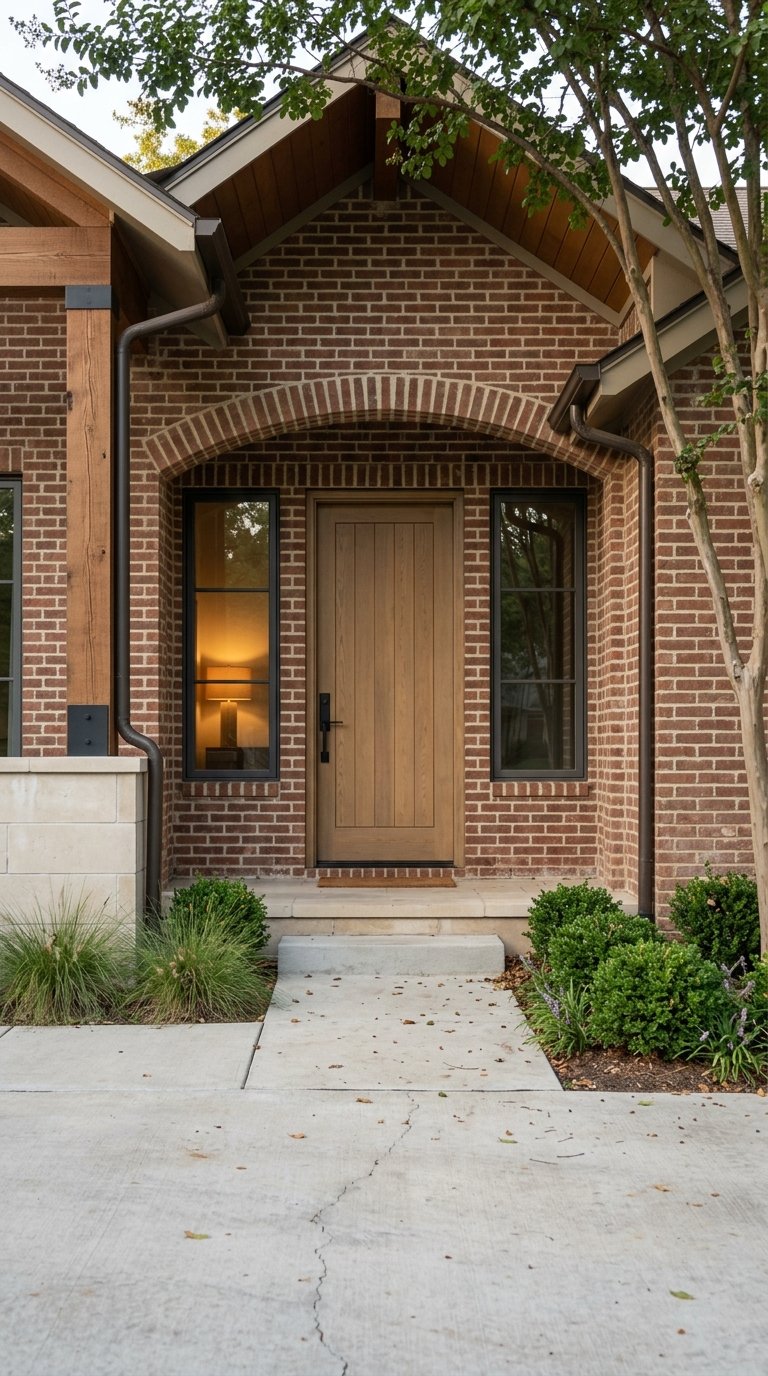
If you picture Lakewood as a neighborhood of storybook Tudors, you are only seeing part of the picture. This East Dallas area has a strong architectural identity, but it also offers more variety than many buyers expect. If you are trying to understand what makes Lakewood homes stand out, this guide will walk you through the styles, the upkeep, and the ownership details that matter most. Let’s dive in.
Why Lakewood Architecture Stands Out
Lakewood is one of Dallas’ most established residential areas, and much of its housing stock took shape from about 1925 to 1946. That era still defines the look and feel of many blocks today, with older homes, mature trees, and a neighborhood layout shaped by the land around White Rock Lake.
The setting matters just as much as the homes themselves. White Rock Lake is a 1,015-acre park with a 9.33-mile hike-and-bike trail and a wide range of recreation amenities, so Lakewood’s architecture is tied closely to outdoor lifestyle and the natural landscape. In practical terms, that means buyers often value curb appeal, lot character, shade, and terrain right alongside square footage.
Lakewood also developed in waves, which helps explain why the neighborhood has both classic revival-era homes and later ranch, mid-century, and newer custom properties. You are not shopping one single look here. You are shopping a neighborhood where design history still shows up on nearly every street.
Tudor Homes Define Lakewood
When most people think of Lakewood Dallas homes, Tudor is the style that comes to mind first. Lakewood conservation-district materials identify Tudor as one of the main contributing architectural styles, and nearby East Dallas areas share the same long-standing tradition of brick and stone cottages with leaded glass, steep rooflines, and eye-catching chimneys.
These homes stand out because they feel detailed and textured. You will often notice features like dormers, decorative masonry, stained or leaded glass, front porches or porticos, pronounced roof eaves, and distinctive window and door openings. On the right lot, especially with mature landscaping, a Tudor can feel deeply rooted to the street in a way newer construction rarely matches.
That character does come with responsibility. Tudor-style homes tend to need more attention to roofs, masonry, chimneys, and windows than simpler postwar homes. If you love the look, it is smart to factor maintenance into your budget from the start.
What Buyers Should Notice in a Tudor
If you are touring Tudor homes in Lakewood, pay close attention to the condition of the exterior details that give the home its personality. Those features often shape both long-term upkeep and future renovation options.
Look closely at:
- Chimneys and masonry condition
- Roof complexity and visible wear
- Window style and original detailing
- Leaded or stained glass features
- Front porch, portico, or entry condition
- Eaves, dormers, and decorative trim
In Lakewood, these are not just cosmetic details. They are often part of the home’s architectural identity and may need to be maintained or replicated during exterior work.
Spanish, French, and Colonial Revival Styles
Lakewood is not only about Tudor cottages. Conservation-district materials also identify Spanish Eclectic, French Eclectic, Colonial Revival, and Neoclassical homes as important parts of the neighborhood’s built character.
These styles bring variety to the streetscape while still fitting the same historic era. A Spanish Eclectic home may feel more curved and textured, while a Colonial Revival home often reads as more symmetrical and formal. French Eclectic and Neoclassical homes add another layer of visual range, which is one reason Lakewood can feel rich and varied instead of repetitive.
For buyers, this variety means you can often match architectural style to personal taste without giving up the neighborhood itself. You may prefer the warmth and irregularity of a revival cottage, or you may lean toward a more balanced and traditional façade. In Lakewood, both can exist within the same broader neighborhood identity.
Ranch and Mid-Century Homes in Lakewood
Many buyers are surprised to learn that Lakewood also includes Ranch, Mid-Century Modern, Contemporary, and New Traditional homes. These later additions show that the neighborhood evolved over time rather than freezing in one decade.
Mid-century and ranch homes usually offer a different feel from the earlier revival styles. In general, they are associated with cleaner lines, simpler forms, and a stronger focus on function. For some buyers, that can make the home feel easier to update on the inside while still offering a well-located Lakewood address.
These homes can be a strong fit if you want character without the same level of ornamental detail found in Tudor or Spanish revival architecture. You may find more open layouts, more straightforward exterior lines, and a style that feels calmer or more modern. That said, the exterior still matters, especially where district standards apply.
Newer Custom and Infill Homes
Lakewood’s housing mix also includes newer Traditional and Contemporary homes from the 1980s through the 2010s. These properties can appeal to buyers who want more modern systems, newer construction, or larger square footage while staying in a highly established part of Dallas.
What makes newer homes in Lakewood different from homes in a newer suburban development is context. In contributing areas, district draft standards require new construction to follow one of the five contributing styles and regulate elements such as front and wrap-around design, garage placement, driveways, front-yard paving, and mature trees.
That means the best newer homes in Lakewood usually do not feel disconnected from their surroundings. They tend to respect the scale, rooflines, materials, and street character that define the neighborhood. If you want modern comfort without losing the sense of place, this can be an appealing middle ground.
Architecture Affects Renovation Plans
In Lakewood, buying for style also means buying into a set of exterior expectations. Dallas states that landmark districts require a Certificate of Appropriateness before work begins, and conservation districts use neighborhood-specific development and architectural standards.
For buyers, this matters long before you plan a major remodel. If a home is contributing, exterior changes generally need to be compatible with the building’s architectural style. Even on noncontributing homes, remodeling standards may still require materials to match the original in type, size, profile, color, texture, and detailing.
Exterior Changes Often Need More Planning
If you are thinking ahead to updates, it helps to understand that visible exterior work may involve more review than you are used to in a typical subdivision. That can affect timelines, budgeting, and design choices.
Projects that may require extra attention include:
- Window replacement
- Roof changes
- Masonry repair
- Porch or portico alterations
- Driveway and front-yard paving work
- Garage placement or orientation changes
- Tree removal or major front-yard landscape changes
This does not mean you cannot improve a home. It means you should evaluate architectural style and district context as part of the buying decision.
Lot Character Is Part of the Style
In Lakewood, architecture and landscape go together. Historic materials note that the neighborhood’s developers used the existing landscape, and the area still reads as rolling, tree-rich, and closely tied to White Rock Lake.
That has a real effect on how homes live and how they show. Two homes with similar architecture can feel very different depending on slope, shade, privacy, front-yard layout, and tree canopy. For many buyers, the lot is not a backdrop. It is part of the home’s identity.
District draft rules reflect that same priority. Mature front-yard trees are protected, front-yard hardscape is limited to 35 percent, and original rolling or waterfall steps are preserved when present. In other words, curb appeal in Lakewood is about more than landscaping taste. It can shape what changes are possible over time.
Style, Condition, and Price Often Move Together
Lakewood sits in a premium price bracket. In April 2026, Realtor.com reported a median listing price of about $1.80 million and roughly $485 per square foot, while Redfin reported a median sale price of $1.9 million and homes selling about 3 percent below list on average.
In a neighborhood like this, architecture is not just aesthetic. Style, condition, original integrity, and lot character can all create meaningful price differences between homes that may seem similar at first glance. A well-kept Tudor on a strong lot can compete very differently than a newer home with more square footage but less architectural presence.
This is where local guidance matters. When you compare homes in Lakewood, you are rarely comparing only bedroom count or updated finishes. You are also comparing historical character, maintenance outlook, location within the neighborhood, and how well the home fits the street.
How to Choose the Right Lakewood Style
The best architectural style for you depends on how you want to live, maintain, and personalize your home. Lakewood gives you several paths, and each one has a different tradeoff.
If you want charm, detail, and classic East Dallas character, Tudor and other revival homes may be your best fit. If you prefer simpler forms and potentially easier interior updating, ranch and mid-century homes may make more sense. If your priority is newer systems and larger modern living spaces, a newer custom or infill home could be the right move.
A smart search starts by ranking your priorities clearly:
- Original character versus modern convenience
- Exterior maintenance tolerance
- Renovation goals
- Lot size, trees, and privacy
- Walkability or lake access preferences
- Budget flexibility for condition and updates
Lakewood rewards buyers who look beyond finishes and pay attention to the full picture. Architecture, lot character, and district rules all shape what ownership feels like here.
If you are exploring Lakewood and want help comparing architectural styles, evaluating renovation potential, or finding the right fit for your goals, Bray Real Estate Group can help you navigate the neighborhood with clarity and confidence.
FAQs
What architectural style is most common in Lakewood Dallas?
- Tudor is the style most closely associated with Lakewood, though the neighborhood also includes Spanish Eclectic, French Eclectic, Colonial Revival, Neoclassical, Ranch, Mid-Century Modern, and newer Traditional or Contemporary homes.
Do Lakewood Dallas Tudor homes need more maintenance?
- Yes. Tudor homes often require more attention to roofs, chimneys, masonry, and windows because of their detailed exterior features and materials.
Can you remodel a home freely in Lakewood Dallas?
- Not always. If a home is in a conservation or landmark district, visible exterior changes may be regulated and may require approval before work begins.
Are newer homes available in Lakewood Dallas?
- Yes. Lakewood includes newer Traditional and Contemporary homes, including infill and replacement construction from the 1980s through the 2010s.
Why do Lakewood Dallas lots feel so different from one another?
- Lakewood developed around the existing landscape near White Rock Lake, so rolling terrain, mature trees, shade, and front-yard layout can make homes feel very different even when the architecture is similar.
How does architecture affect home prices in Lakewood Dallas?
- Style, condition, original integrity, and lot character can all influence value, so two homes with similar size may still command different prices based on architectural appeal and setting.