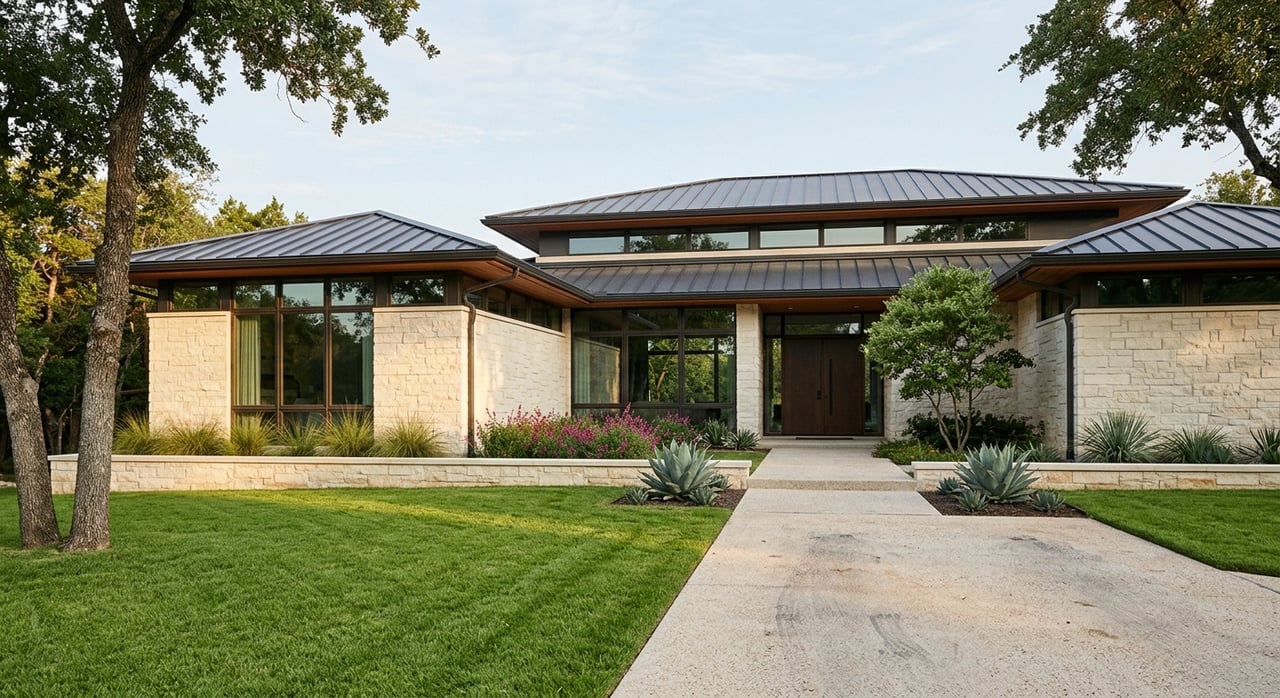
Ready for more space, bigger skies, and a daily routine that feels a little more grounded? Dripping Springs draws many buyers because it offers a Hill Country setting with access to Austin, plus a housing mix that ranges from neighborhood amenities to true acreage. If you are wondering what life here actually looks like, this guide will help you understand the market, the lifestyle, and the details that matter before you move. Let’s dive in.
Why Dripping Springs Stands Out
Dripping Springs sits in northern Hays County, west of Austin, and the city brands itself as the Gateway to the Hill Country. That identity fits the day-to-day feel of the area, where open space, outdoor recreation, and local events shape how many residents spend their time.
The city is also one of the fastest-growing communities in Texas. Public messaging highlights parks, festivals, tastings, music, and dark skies, which gives you a good sense of what living here can feel like. Dripping Springs was also the first International Dark Sky Community in Texas and the sixth in the world.
If you are hoping for dense urban nightlife, this may not be the right fit. But if you want a place where weekends often revolve around parks, farmers markets, wineries, breweries, and time outdoors, Dripping Springs offers a strong lifestyle match.
Daily Life in Dripping Springs
Life here tends to move at a different pace than central Austin. Many residents are drawn to the balance of scenic surroundings and a community calendar shaped by local gatherings, live music, and outdoor spaces.
Dripping Springs also has a strong event-driven identity. The city promotes itself as the Wedding Capital of Texas and a film-friendly, music-friendly destination, which adds to its energetic local character without making it feel like a dense city environment.
That mix can appeal to a wide range of buyers. Whether you are relocating, moving up into a larger home, or looking for more land, the area offers a lifestyle that feels connected to the Hill Country first.
Housing Options in Dripping Springs
One of the biggest draws in Dripping Springs is the variety of homes you can consider within the same general area. You are not limited to one style of living, which makes the search more flexible but also more important to define clearly.
Current market data shows a median listing price of about $762,500, with roughly 586 homes for sale and a median of 42 days on market as of March 2026. For buyers who want to test the area before purchasing, the median rental price is around $2,950.
Acreage and Ranch Properties
If your goal is privacy, room to spread out, or a more rural setup, Dripping Springs has many acreage opportunities. Current listings include properties around 5 acres, 6.5 acres, 10-plus acres, and nearly 15 acres, with some marketed as farms or acreage properties.
Some of these homes offer flexible ownership features that are harder to find in more traditional suburban areas. Current listings mention details like wells, and at least one acreage property notes no HOA or known deed restrictions.
This kind of inventory can be appealing if you want a more independent property setup. It also means you should look closely at utilities, access, maintenance needs, and property-specific restrictions before making an offer.
Newer Master-Planned Neighborhoods
If you prefer neighborhood amenities and a more suburban layout, Dripping Springs also has newer planned communities. Headwaters is described as a master-planned community with trails, a resort-style pool, fitness center, WiFi cafe, sports field, and on-site retail.
Caliterra offers another option for buyers who want a neighborhood setting with outdoor features. It is a new-home community spread across about 600 acres with green space, trails, a pool, dog park, clubhouse, and a Hill Country design approach that reflects the area’s dark-sky focus.
These communities can be a good fit if you want newer construction and built-in amenities. They create a very different living experience from rural acreage, even when both options fall within the same search radius.
Choosing the Right Home Style
The big decision in Dripping Springs is often not just which home to buy, but which type of lifestyle you want your home to support. That matters here more than in many markets because the housing mix is so broad.
You may want to think through questions like these before you start touring:
- Do you want land, privacy, and fewer nearby neighbors?
- Do you prefer neighborhood amenities and a more connected layout?
- Are you comfortable with rural utility setups like wells?
- Would HOA rules be a benefit or a drawback for you?
- Are you planning to rent first before buying?
- How important is newer construction versus custom or older homes?
Getting clear on those priorities early can save you time. It can also help you compare properties more realistically, since a home on acreage and a home in a master-planned community may serve very different goals.
Commuting and Access to Austin
Dripping Springs offers access to Austin, but commute planning is a real part of daily life. For many residents, US-290 is the main transportation corridor, and that route plays a major role in how convenient your routine feels.
According to TxDOT, the US-290 corridor from RM 1826 in southwest Austin to Rob Shelton Boulevard in Dripping Springs has seen daily traffic increase by up to 50 percent since 2010. TxDOT also reports a crash rate more than 86 percent higher than the statewide average for rural corridors, with projected vehicle growth of 3 to 5 times over the next 30 years.
The city identifies traffic as one of the major concerns for residents and businesses. It also has a transportation master plan focused on mobility and connectivity, which shows just how central this issue is for current and future growth.
What Buyers Should Consider
If you work in Austin or make frequent trips east, location within Dripping Springs matters. Two homes with similar price points can offer very different day-to-day convenience depending on how easily you can reach US-290 and what time of day you usually travel.
When you evaluate homes, it helps to consider:
- Your typical commute times and destinations
- How often you need to travel into Austin
- Whether school, work, or activities require peak-hour driving
- How future corridor improvements or construction could affect your route
This is one area where lifestyle goals and logistics need to line up. A beautiful property can still feel like the wrong fit if the location makes your weekly routine harder than expected.
Parks and Outdoor Recreation
Outdoor living is one of the strongest reasons people choose Dripping Springs. The city says its park system includes about 571.29 acres of parkland serving roughly 25,000 residents in the city and ETJ.
Ranch Park covers 130 acres and includes 6.2 miles of trails, equestrian facilities, event space, hiking, wildlife viewing, and primitive camping. Founders Memorial Park and Sports and Recreation Park add more athletic fields, trails, play structures, courts, and a pool.
For many buyers, these spaces are not just nice extras. They become part of the weekly routine, whether that means morning walks, youth sports, casual outdoor time, or larger local events.
Nearby Hill Country Destinations
Dripping Springs also puts you close to well-known outdoor destinations. Pedernales Falls State Park offers camping, hiking, mountain biking, picnicking, birding, and horseback riding.
Hamilton Pool Preserve is another popular outing, though reservations are required every day. Together, these destinations help explain why the area appeals to buyers who want outdoor access to be part of everyday life, not just an occasional weekend plan.
Schools and Boundary Checks
Many households in the area are served by Dripping Springs ISD. The district currently lists multiple elementary campuses, two middle schools, and Dripping Springs High School.
For buyers planning a move, attendance zone verification is especially important right now. Dripping Springs ISD approved new elementary and middle school attendance zones effective for the 2025-26 school year, including a new elementary school under construction in Headwaters and an expanded Sycamore Springs Middle School.
Because boundaries can change, it is smart to confirm school assignment details for any specific address during your home search. That step can be especially important if you are comparing homes in different parts of the area or in newer communities.
Utilities and Water Rules Matter
Before you buy in Dripping Springs, make sure you understand how a property is served. Utility details can vary more here than in a typical suburban market.
The city currently has Stage 2 mandatory watering restrictions for city water customers. The city also notes that water and wastewater service can vary by subdivision and provider, while some acreage properties use wells and other rural-style systems.
That means you should verify the basics before closing, including:
- Water source
- Wastewater or septic setup
- Current watering restrictions
- Utility providers for the property
- Ongoing maintenance needs for rural systems
These are not small details. They can affect your monthly costs, property upkeep, and even how you use your outdoor space.
Is Dripping Springs Right for You?
Dripping Springs can be a strong fit if you want Hill Country scenery, a broader range of home styles, and a lifestyle centered more on space and recreation than city density. It offers a mix of custom acreage, ranch-style properties, and amenity-rich neighborhoods that is hard to find in many Austin-area markets.
At the same time, it works best when you go in with clear expectations. Traffic, commute planning, utility differences, and changing attendance zones are all practical parts of the decision.
If you want help narrowing down the right part of Dripping Springs for your goals, the team at Bray Real Estate Group can help you compare neighborhoods, acreage options, and relocation paths with a strategy built around how you actually want to live.
FAQs
What is daily life like in Dripping Springs, Texas?
- Daily life in Dripping Springs often centers on parks, farmers markets, live music, wineries, breweries, and outdoor recreation rather than dense urban nightlife.
What types of homes are available in Dripping Springs?
- Buyers in Dripping Springs can find custom homes, acreage and ranch properties, farms, and newer homes in master-planned communities with amenities.
What is the current Dripping Springs housing market like?
- Recent market data shows a median listing price of about $762,500, around 586 homes for sale, a median of 42 days on market, and a median rental price near $2,950.
How important is commute planning in Dripping Springs?
- Commute planning is very important because many residents rely on US-290, and both the city and TxDOT identify traffic and corridor growth as major issues.
What should buyers know about schools in Dripping Springs?
- Many homes are served by Dripping Springs ISD, and buyers should verify school attendance zones because new boundaries took effect for the 2025-26 school year.
What utility details should buyers check in Dripping Springs?
- Buyers should confirm water source, wastewater service, watering restrictions, provider information, and whether a property uses rural systems such as wells or septic.