Love the idea of grabbing coffee on Greenville Avenue after a morning walk past storybook Tudors? If you are drawn to historic charm and a lifestyle where everyday errands are nearby, the M‑Streets in Greenland Hills might be exactly what you are picturing. In this guide, you will learn what makes the neighborhood unique, how conservation rules work, what daily life feels like, and what to expect from pricing. Let’s dive in.
Where the M‑Streets sit
Greenland Hills, commonly called the M‑Streets, sits about two miles north of downtown Dallas. The neighborhood is roughly bounded by US‑75/Central Expressway on the west, McCommas Boulevard on the north, Greenville Avenue on the east, and Vanderbilt Avenue on the south, according to the City of Dallas conservation district documents. You will also see this area identified as a conservation district that was created to protect its early 20th‑century character and streetscapes. The City’s ordinance and concept plan provide the official boundaries and design guidelines.
The M‑Streets nickname comes from the many street names that start with the letter M, a quirk that dates back to the neighborhood’s early development in the 1920s. The area was marketed as a streetcar‑accessible suburb, and it quickly became known for its Tudor Revival cottages. D Magazine’s centennial look offers great historical context and neighborhood color.
Historic Tudor details
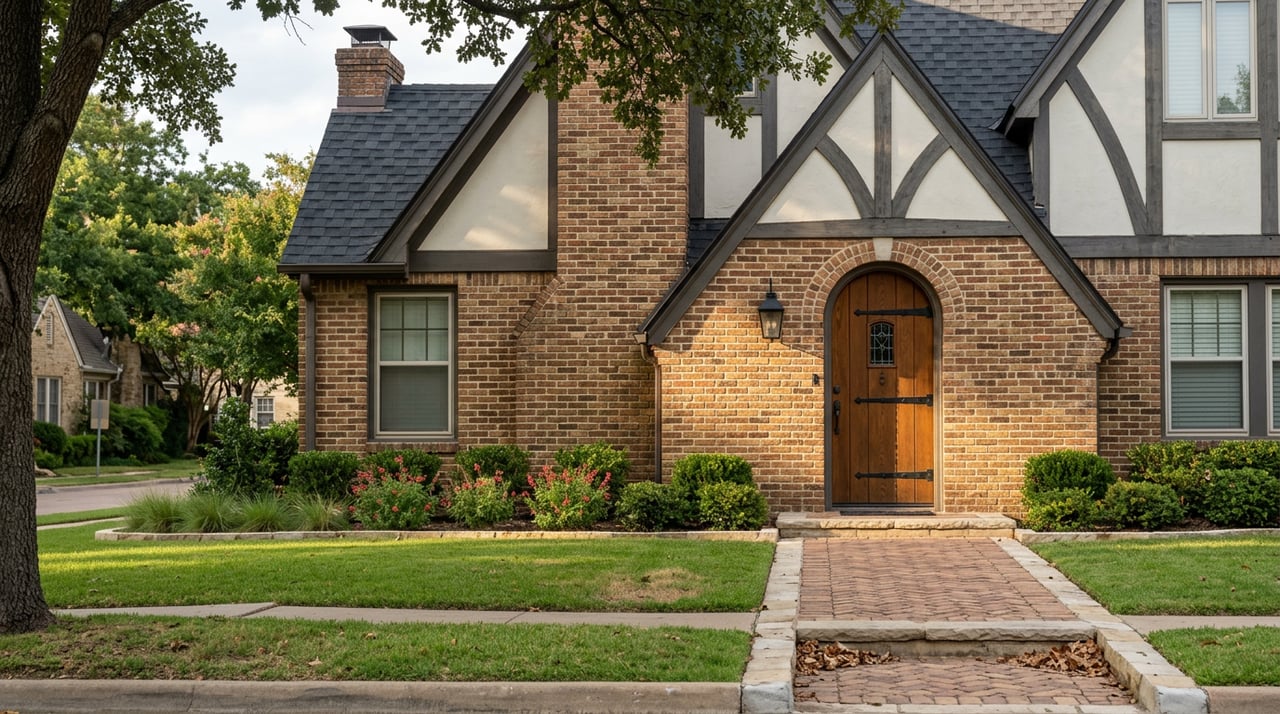
Tudor Revival is the signature look here. The City’s conservation‑district documentation identifies Tudor as the most common style, with about 65 percent of homes in the historic core built in this aesthetic. You will also find Craftsman bungalows, Neo‑Colonial, Minimal Traditional, and later infill. The result is a cohesive streetscape anchored by steep gables, chimneys, and brick or stone details that set a high bar for curb appeal. The conservation plan explains how design standards preserve these elements.
If you love character homes, you may picture opening an arched front door, stepping onto original hardwoods, and catching light through leaded or stained‑glass windows. Many Tudors here feature steeply pitched rooflines, half‑timber or stucco gable accents, and brick fireplaces that add warmth and texture. Floor plans often range from about 1,000 to 2,700 square feet, and many interiors have been updated while the exterior charm stays intact. For visual examples of the look, see this M‑Streets Tudor feature.
Lot patterns and home ages also contribute to the feel. The original 60‑foot lot pattern, roughly 7,500 square feet or about 0.17 acre, remains common. Most homes date from the 1920s through the 1940s, and that consistency helps the neighborhood read as a true period district. D Magazine’s retrospective notes how the early platting and architecture shaped today’s character.
Conservation rules 101
Because Greenland Hills is a City of Dallas conservation district, exterior changes are reviewed for compatibility. If you plan work that affects the front façade or any new construction, expect a formal review. The process typically involves submitting an application with architectural plans, posting notice, and having the Director review your plans against district standards. Roof forms, window proportions, and permitted materials are all addressed. Front‑yard fences and circular drives are limited by the guidelines. You can read the full requirements in the City’s ordinance and conceptual standards.
What does this mean for you? If you want to add on, open up windows, or alter a visible façade, confirm your scope with the City early and plan your timeline around the review process. Many owners successfully blend modern kitchens, baths, and energy updates with historically sensitive exteriors. The key is to align plans with the district’s standards.
Walkability and daily life
For Dallas, the M‑Streets score as highly walkable thanks to their proximity to Lower Greenville. Many residents enjoy a short stroll to coffee, brunch, and dinner options on Greenville Avenue, with a quick drive or bike ride to White Rock Lake trails. You also have nearby retail and transit access at Mockingbird Station, plus green space for meetups and pick‑up games at Glencoe Park. Neighborhood profiles consistently highlight this mix of tree‑lined streets and urban convenience, as noted in Listalysis’ walkability snapshot.
Picture a weekend: walk to a Greenville Avenue café for breakfast, head to Glencoe Park for an hour with friends, then browse shops at Mockingbird Station before dinner on Lower Greenville. During the week, many daily errands are close, and you can balance a quiet, residential block with a lively dining scene nearby. On‑street parking can be tight near entertainment zones during peak times, so factor that into guest plans. Listalysis also notes an active neighborhood culture with events and a volunteer Extended Neighborhood Patrol.
Commute and transit
You are minutes from US‑75 and well placed for central Dallas commutes. Downtown is roughly two miles away, with many sources citing typical drive times of about 10 to 20 minutes depending on traffic. Mockingbird Station provides access to DART services and a convenient transit‑oriented retail center. Always check a live map at your usual travel time to gauge your specific door‑to‑door timing.
Home prices and market snapshot
Pricing reflects the neighborhood’s character, location, and conservation status. Recent neighborhood snapshots show a median sale price around $935,000, with a median list price near $955,500. Sale price per square foot has been reported around $427, while list price per square foot has hovered near $465. Days on market have varied in recent reports, with some snapshots showing about 23 days and others noting average listing ages closer to the mid‑50s. Figures vary by month and methodology, so verify the latest numbers before you write an offer.
As a quick frame of reference, smaller or updated Tudors and bungalows often list in the mid‑$700,000s to the $900,000s. Larger, extensively renovated, or newer properties can reach into the low to mid seven figures, with active listings frequently ranging from about $700,000 up to $1.7 million or more. Your budget, renovation plans, and comfort with historic‑home maintenance will guide the best fit.
Buyer checklist for the M‑Streets
Use this practical list to shop smart:
- Confirm school assignment for a specific address with Dallas ISD. Attendance zones can change, and nearby blocks may feed different schools. Start with the district and local campus resources such as Mockingbird Elementary’s site.
- Ask about recent mechanical upgrades. In older homes, review HVAC, electrical, plumbing, and sewer lines. Plan a budget for selective updates and routine maintenance common to homes from the 1920s to 1940s. Neighborhood analyses flag this as a common buyer consideration, as noted by Listalysis.
- Understand conservation review early. If you want visible additions or front‑facing changes, align plans with the City’s conservation standards and process.
- Consider parking and guest logistics for homes near Lower Greenville. Evening and event times can affect on‑street availability, so evaluate driveway and garage options during showings. See neighborhood lifestyle context in Listalysis.
Schools and community
Many Greenland Hills addresses are served by Dallas ISD with a common pattern that includes Mockingbird Elementary, J. L. Long Middle School, and Woodrow Wilson High School. Boundaries can vary by block, so always verify the assignment for a specific home through the district and local campuses such as Mockingbird Elementary.
Community life is active and neighbor‑oriented. The Greenland Hills Neighborhood Association organizes gatherings, shares updates, and supports volunteer programs. For calendars, membership, and event information, visit the official association site.
Is the M‑Streets right for you
Choose the M‑Streets if you value historic architecture, a walkable lifestyle near Greenville Avenue, and a short trip to the city’s core. You should be comfortable with conservation guidelines that help preserve façades and block‑face character, and you will likely appreciate the charm and craftsmanship of homes from the 1920s through the 1940s. If you want large, front‑facing changes quickly, plan for design review and timelines that support historically compatible work.
Ready to compare options, tour homes, or plan a sale? Reach out to the team at Bray Real Estate Group for local guidance, pricing strategy, and neighborhood‑savvy negotiation. If you are selling, ask about our marketing plan and Get a Free Home Valuation.
FAQs
What does “M‑Streets” mean in Dallas
- The nickname comes from Greenland Hills streets that begin with the letter M and dates to the neighborhood’s 1920s development, as highlighted by D Magazine.
Are Tudors the only homes in Greenland Hills
- No. Tudors are dominant at roughly 65 percent in the historic core, but Craftsman, Neo‑Colonial, Minimal Traditional, and newer infill homes are also present per the City’s conservation documents.
How walkable is the M‑Streets area of Dallas
- It is considered highly walkable for Dallas, with many dining and daily needs near Greenville Avenue, plus proximity to Mockingbird Station and parks, according to Listalysis.
What should I know about remodeling in the M‑Streets
- Exterior changes that affect the front façade and new construction require City review for compatibility with district standards. Review the City’s ordinance and process before planning.
Which public schools often serve Greenland Hills addresses
- Many addresses feed Mockingbird Elementary, J. L. Long Middle, and Woodrow Wilson High, but assignments can vary. Verify a specific home’s school path through Dallas ISD and local sources like Mockingbird Elementary.