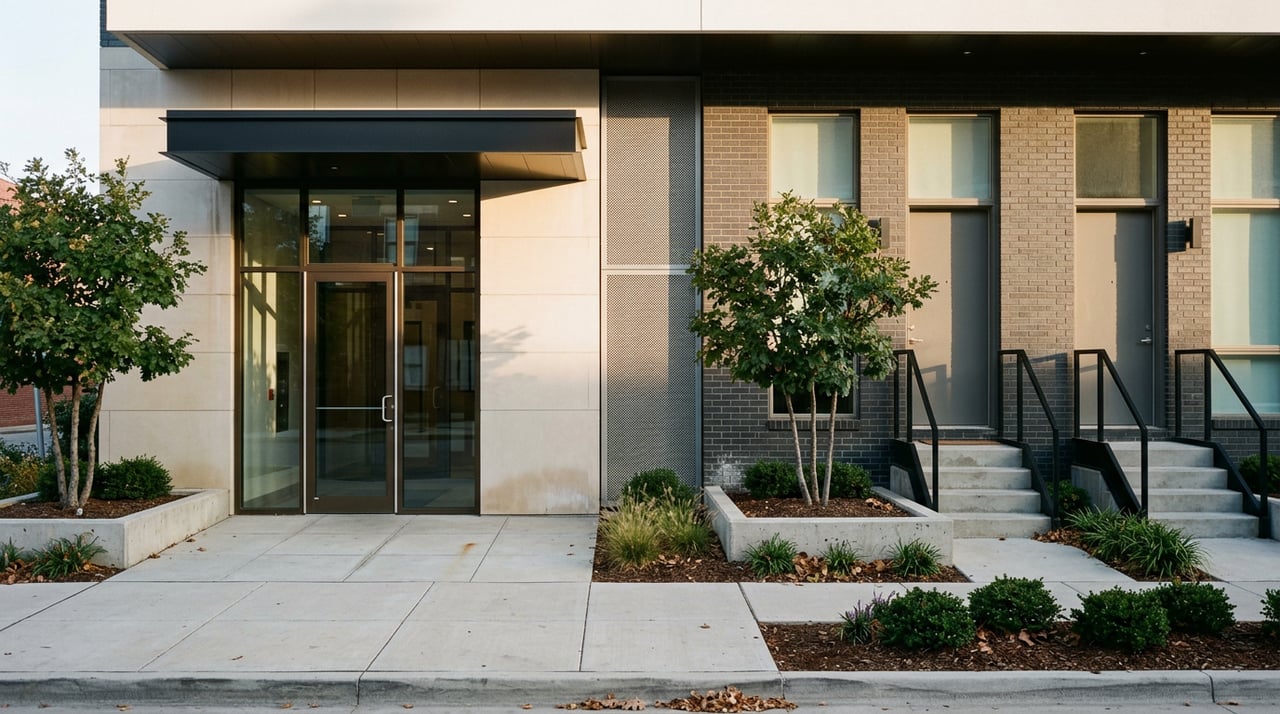
Trying to decide between an Uptown Dallas condo or a townhome? You are not alone. Buyers in Uptown often juggle lifestyle perks like concierge and skyline views against private garages and patios. In this guide, you will learn how ownership works in Texas, what HOA dues usually cover, how parking and outdoor space differ, and what financing and resale look like in each case. Let’s dive in.
Uptown at a glance
Uptown is one of Dallas’s most walkable districts, with dining, fitness studios, shops, and the Katy Trail all within easy reach. The neighborhood blends high-rise and mid-rise condos with pockets of townhomes and loft-style buildings. Many residents choose Uptown to cut down on commute time and maximize time outdoors on the Katy Trail or hopping on the M-Line trolley and nearby DART service. Recent walkability guides rank core Uptown locations very highly, which is a big draw for young professionals and downsizers who want convenience without sacrificing amenities. For a quick take on walkability across Dallas neighborhoods, see the city overview from Apartment List’s guide to Dallas’s most walkable areas.
Apartment List’s overview of Dallas walkability
Ownership and who maintains what
Choosing between a condo and a townhome starts with understanding how ownership works in Texas and what you are responsible for as the owner.
Condominiums in Texas
A condominium is a unit plus a shared interest in the building’s common elements. Texas law for condos is set by the Texas Uniform Condominium Act. In most Uptown high-rises, the condo association handles the building exterior, roof, elevators, common areas, garage structure, and the building’s master insurance. You typically insure your unit interior and personal property with an HO-6 policy.
Texas Property Code Chapter 82 (Uniform Condominium Act)
Townhomes in Texas
Townhomes in Uptown come in two common legal forms. Some are fee-simple homes where you own the lot and the structure and may belong to a property owners’ association (POA) that maintains shared landscaping or gates. Others are townhome-style condos that are legally condominium units under a condo declaration. The difference affects maintenance, insurance, and financing, so confirm the legal form early.
Texas State Law Library guide to property owners’ associations
Recent Texas HOA and condo law updates
Texas has made changes that matter at closing. New rules require associations to publish more information and cap certain condo resale-certificate fees at 375 dollars, which helps buyers and sellers plan for costs. Buyers should review the condo association’s resale certificate and governing docs closely, and fee-simple townhome buyers should review the POA documents as well.
Texas SB 711 supplemental analysis and updates
Daily life in Uptown: parking, outdoor space, amenities
How you plan to live day to day will likely tip the scale for you.
Parking realities
Street parking in Uptown is tight and often managed. High-rise condos usually include reserved garage spaces or valet service. Townhomes typically have private attached garages for one or two cars, although some are tandem or have narrow driveways. If you need extra parking, monthly options in prime areas usually fall in the low hundreds to a few hundred dollars depending on the location.
Monthly parking options in Uptown Dallas
Outdoor space and privacy
Condos often give you a balcony plus shared outdoor amenities like a rooftop deck or pool. Townhomes usually provide more private, door-level outdoor space such as a patio, small yard, or roof deck, along with direct street access. If you have a pet, want a grill setup, or enjoy gardening, that extra private space can be a big quality-of-life win.
Amenities and lock-and-leave convenience
Full-service high-rise buildings can include a concierge, package rooms, on-site management, valet, and fitness centers. That setup is ideal if you travel often or prefer low-maintenance living. Townhomes and smaller buildings trade staffed services for more square footage and private entries. Your choice comes down to whether you value building services more than space and independence.
Money matters: dues, financing, and resale
The total monthly number — mortgage, taxes, insurance, and HOA — should fit your budget and financing plan.
HOA dues and what they cover
Condo dues in Uptown range widely. Mid-rise or boutique buildings often have more modest dues, while luxury towers with valet and concierge can run much higher. Dues usually cover exterior maintenance, common-area utilities, building insurance for the structure, and shared amenities. Townhome POA dues are often lower because owners handle their own roof and exterior in many developments, though there are exceptions. Always review the budget and what utilities or services are included.
Financing differences you should know
Condos are reviewed at the project level by many lenders. Eligibility can depend on owner-occupancy ratios, budgets and reserves, litigation, and commercial space. FHA introduced single-unit approval in 2019, which can help in some buildings, but not all projects will qualify. Fee-simple townhomes are generally underwritten like attached single-family homes, which can make FHA, VA, or conventional loans easier to secure if the development is not a condo.
FHA condominium policy update and single-unit approval
Fannie Mae underwriting and appraisal guidance
Resale and marketability factors
For condos, building health matters. Lenders and buyers pay attention to the association’s reserves, special assessments, litigation, owner-occupancy rates, and single-entity ownership concentrations. Red flags in any of these can limit financing options and shrink the buyer pool, which may affect price and days on market. Townhomes often appeal to a broader buyer base and avoid condo-specific lending hurdles, but location, parking, street noise, and finishes still drive outcomes.
FHA and agency considerations that affect condo lending
Fannie Mae project and appraisal considerations
Closing costs and disclosures in Texas
Plan for association documents in your timeline and budget. Texas updates require more public posting of association information and cap certain condo resale-certificate fees at 375 dollars, which can lower closing costs for sellers and buyers. Fee-simple townhome buyers usually receive POA documents that differ from condo materials, so you will review a different set of rules and budgets.
Texas SB 711 supplemental analysis and updates
Quick buyer match guide
- Pick a condo if you want a staffed, lock-and-leave lifestyle with amenities like concierge, package handling, and a fitness center, and you are comfortable trading private outdoor space for those services.
- Pick a townhome if you value a private garage, more private outdoor space, a house-like layout, and a financing process that is often more straightforward when the property is fee-simple.
- If you need low-down-payment options, verify whether the specific condo project is eligible for FHA or VA. If not, a fee-simple townhome may open more loan choices.
Your due diligence checklist
Use this list during showings and the option period so you have clear answers before you commit.
- Confirm the legal form. Is the “townhome” fee-simple or a condo recorded under a condominium declaration? This affects insurance and financing.
Texas Property Code Chapter 82 - Order and read the association package. Budget, most recent financials, reserve study, bylaws, rules, insurance certificates, meeting minutes for the last 12 months, and any special assessments or litigation.
Texas State Law Library HOA/POA guide - Verify financing eligibility. Ask your lender about FHA or VA condo approval, single-unit approval options, and any project-level conditions for conventional loans.
FHA condo approval update | Fannie Mae guidance - Confirm parking and storage. Check whether spaces are deeded or assigned, guest parking rules, and street parking limits. If you need extra parking, price out monthly options nearby.
Uptown monthly parking overview - Review rental and subletting rules. If you may rent the property later, confirm lease minimums, caps on rentals, and any application fees.
Texas HOA rules updates overview - Calculate your real monthly cost. Add mortgage, taxes, insurance, HOA dues, and typical utilities. Some condo HOAs cover water, trash, or internet, which lowers your separate utility bills.
- Assess resale risk. Note owner-occupancy rates, special-assessment history, reserve strength, and any litigation. These affect both buyer demand and loan eligibility.
Fannie Mae project considerations
Next steps
If you are leaning toward a high-rise condo, focus on building health, staffing, and exactly what dues include. If a townhome feels right, confirm fee-simple ownership, garage access, and any POA rules that affect day-to-day living. Either way, a smart choice in Uptown balances convenience, budget, and future marketability.
Ready to compare specific buildings and streetside townhome clusters near the Katy Trail or West Village? Let a local pro guide you through the documents, financing steps, and real-world tradeoffs. Connect with the team at Bray Real Estate Group to get personalized listings and a game plan for your move.
FAQs
What is the key ownership difference between an Uptown condo and a townhome?
- A condo is a unit plus shared interest in the building’s common elements under Texas’s Condominium Act, while many townhomes are fee-simple where you own the lot and structure. Verify the legal form before you write an offer.
How do HOA dues typically compare in Uptown condos vs townhomes?
- Condo dues often run higher because they include building insurance, shared systems, and amenities. Townhome POA dues are often lower when owners handle their own exterior, though exceptions exist depending on services.
Can I use FHA or VA financing for an Uptown condo purchase?
- Possibly. FHA offers single-unit approval but the condo project must still meet key criteria like budgets and owner-occupancy. Fee-simple townhomes are usually easier to finance because they are underwritten like attached single-family homes.
What parking should I expect with each option in Uptown Dallas?
- High-rise condos usually include garage parking or valet, while townhomes commonly have private attached garages. Street parking is limited in many Uptown blocks, and extra monthly parking is available nearby for an added fee.
Do Texas HOA law changes affect my closing costs on a condo?
- Yes. Recent updates cap certain condo resale-certificate fees at 375 dollars and require more public posting of association details, which can lower costs and improve document access during due diligence.
Which option is better for resale in Uptown: condo or townhome?
- It depends on the specific property. Condos are sensitive to building health and lending eligibility, while fee-simple townhomes often appeal to a broader buyer pool. Location, parking, finishes, and noise exposure drive outcomes in both cases.